Switzerland updates sanctions on Russia and Belarus: what should China–Europe rail orders recheck?
Published November 7, 2026 · Sino-Euro Railway
Published: 2026-11-07
Whether a shipment can depart as planned on a China–Europe freight train depends not only on the route and timetable, but also on whether the transaction itself complies with the applicable rules. Switzerland adjusted its sanctions against Russia and Belarus this week. Businesses involved in relevant transactions should recheck counterparties, the intended use of the goods and payment arrangements alongside booking transport.

The Swiss Federal Council announced the implementation arrangements on 4 November. The amended sanctions lists took effect at 23:00 that day, and the sectoral measures took effect on 5 November; these times follow the Swiss official announcement. A further 254 individuals, companies and entities were listed, subject to restrictions including asset freezes. Another 41 companies were brought within the scope of stricter export controls. Announcement by Switzerland’s State Secretariat for Economic Affairs, SECO
This week’s new development is Switzerland’s implementation arrangements. The corresponding 21st EU sanctions package was adopted on 23 July; it should not be described as the EU introducing the same package again in November. For orders involving Swiss entities or Swiss business, first establish which rules apply, then assess whether transport or transaction arrangements need to change.
Look beyond the destination to the parties involved
A delivery address in Europe is not enough to determine a shipment’s compliance. The consignor, consignee, actual buyer and seller, payer and companies providing services may play different roles. Checks need to identify each party’s legal entity, rather than merely matching brand names.
The transaction restrictions in this Swiss announcement concern certain banks, airports and ports, showing that restrictions are not limited to buyers and sellers of goods. Switzerland also expressly stated that it had not, for the time being, followed some export-control changes concerning companies in third countries. The EU and Swiss lists, implementation dates and scope should not be treated as identical. SECO explanation of listings and sectoral measures
In practice, businesses can review the contracting entities, entities named on invoices and incoming and outgoing payment arrangements together. If a name or role changes, explain the reason first, to avoid discovering only after documents have been submitted that further information is needed for carriage or payment.
Changing transport mode does not replace compliance checks
Rail, sea and air transport meet different transport needs. Restrictions concerning goods, counterparties or financial transactions do not simply disappear when the transport mode changes. Conversely, the fact that a particular transport service can be booked does not by itself establish that the whole transaction meets the applicable requirements.
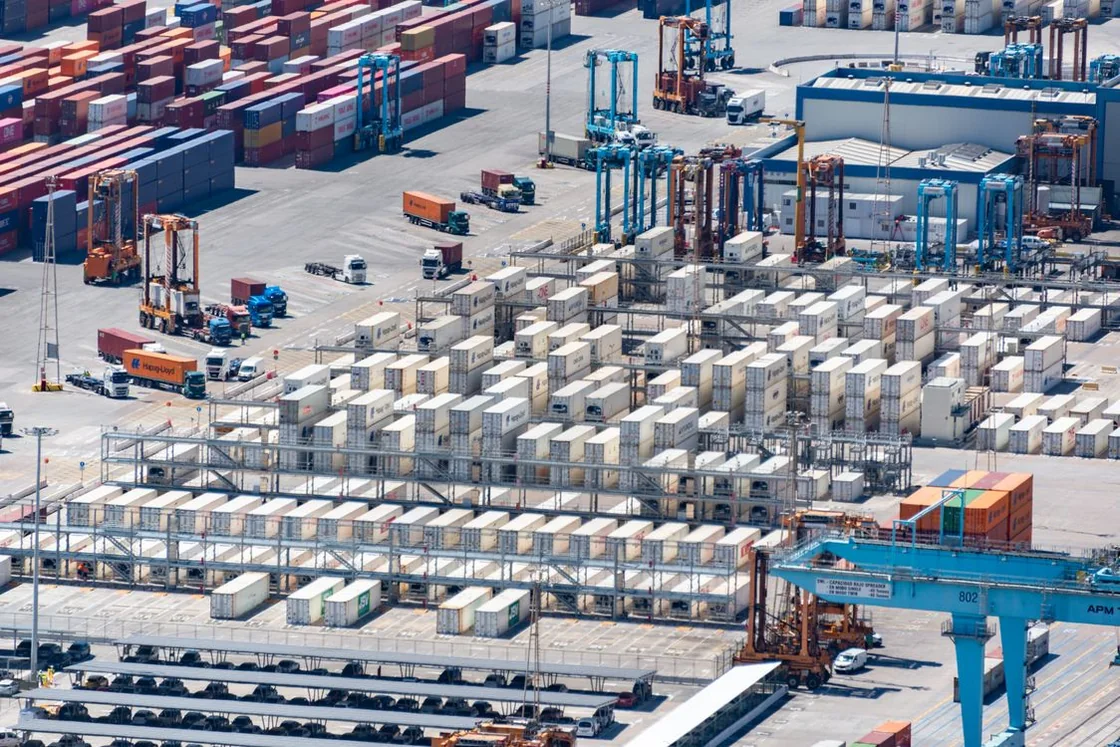
For orders being prepared for dispatch, first clarify the product name, specifications, intended use and buyer–seller relationship, then check the route and carriage conditions. Commodity codes are an important reference, but restrictions related to end use or technical characteristics also require appropriate explanations. Documentation should reflect the actual goods and transaction; overly generic product descriptions are no substitute.
The date and basis of the checks should also be recorded. Existing information on long-standing customers can provide a starting point. When lists are updated, the payer changes or the intended use of goods changes, review whether the earlier assessment still applies.
Over the next month, watch first for additional order-review steps
Switzerland’s adjustment alone does not support a conclusion that China–Europe rail freight will stop altogether. Orders involving relevant entities, goods or financial services may be affected first. They may require additional information or a reassessment of some arrangements before booking or settlement.
This is a business assessment based on the scope of the measures, not a statistical finding that widespread delays have already occurred. Whether a particular order is restricted still depends on the regulations in force, the annexed lists and the actual transaction conditions.
When preparing a new China–Europe rail order, consider first completing a concise transaction information sheet. Set out the goods, buyer and seller, intended use and payment arrangements, then review them together with the transport plan. Confirming dispatch once the information is complete gives better control over delivery timing than explaining details at short notice after the cargo has reached the terminal.
Switzerland rail freight · Request a shipment quote
Need rail freight from China to Europe?
Share your route, cargo and ready date. We will confirm the rate, included charges, validity and transit estimate for your shipment.